
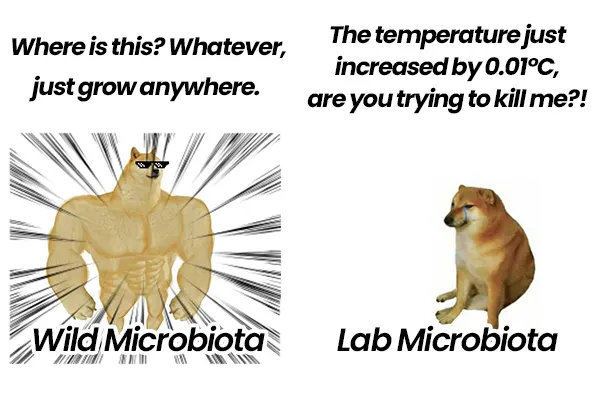
The Complexity of Natural Microbial Communities
Microbial Diversity
Microbial Diversity
Microbial Interactions
Microbial Interactions
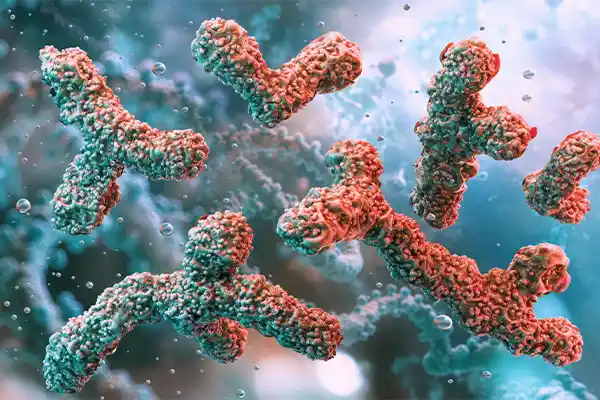
Challenges in Laboratory Replication
Challenges in Laboratory Replication
Limitations of Growth Media
Nutrient Composition
Nutrient Composition
Static Conditions vs. Dynamic Nutrients
Static Conditions vs. Dynamic Nutrients
Environmental Control Challenges
Oxygen Gradients
Temperature and pH Dynamics
In conclusion, while laboratory control of environmental factors such as oxygen, temperature, and pH is essential for studying bacteria, these static parameters fall short of replicating the dynamic and heterogeneous conditions of natural ecosystems. The inability to mimic such variations limits the cultivation and understanding of many bacterial species, particularly those adapted to fluctuating environments. Recognizing these limitations is a critical step toward developing more sophisticated cultivation techniques that better capture the complexity of natural microbial habitats.
Emerging Technologies and Solutions
Co-Culture Systems
Co-Culture Systems
Microfluidic Technology
Microfluidic Technology
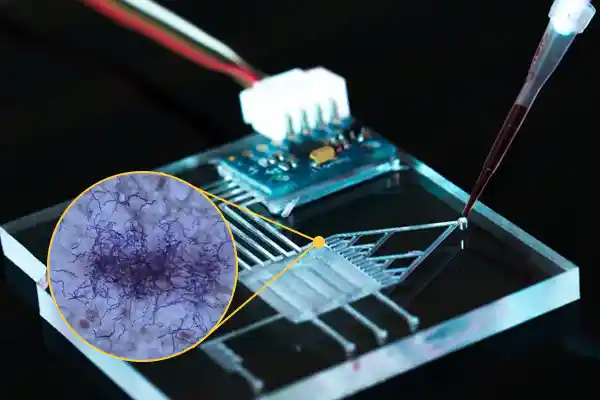
Metagenomics and Synthetic Communities
Metagenomics and Synthetic Communities
Conclusion
Growing perfect bacterial flora in the lab is challenging due to the immense complexity of natural microbial communities, limitations in traditional growth media, and the difficulty of replicating dynamic environmental conditions. However, emerging technologies like co-culture systems, microfluidics, and metagenomics offer promising solutions to overcome these barriers.
By improving our ability to cultivate diverse bacterial species and simulate natural ecosystems, researchers can unlock valuable insights into microbial ecology, human health, and environmental science. The pursuit of perfect bacterial flora may remain difficult, but ongoing innovations are bringing us closer to this goal.
Recent Posts

ELISA Plate FAQs: 12 Common Problems That Affect ELISA Results
In a previous article, Step-by-Step ELISA Protocol: A Comprehensive Guide Step-by-Step ELISA Protocol: A Comprehensive Guide, we outlined the standard workflow of an ELISA assay, from plate coating and blocking to detection and data interpretation. [...]
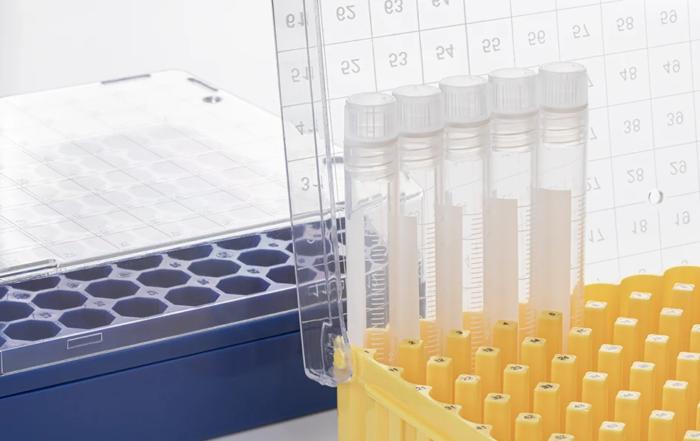
FAQs: Why Are Your Cryovials/Cryo Boxes Always Causing Trouble?
In our previous article, Cell Cryopreservation: Common Protocols, Thawing Tips, and FAQs, we addressed operational best practices for freezing and thawing cells, along with several technique-related questions frequently encountered in laboratory workflows. While procedural [...]
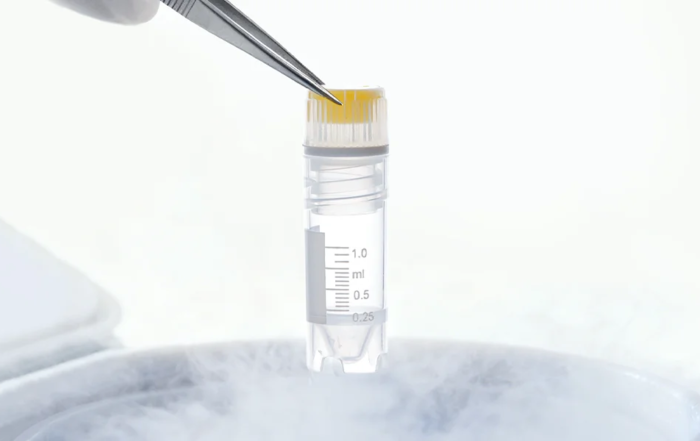
Cell Cryopreservation: Common Protocols, Thawing Tips, and FAQs
Imagine this scenario: You’ve spent months carefully cultivating a unique cell line or editing a specific gene. The data looks promising, and it’s time to bank these precious samples for future verification. You freeze [...]