
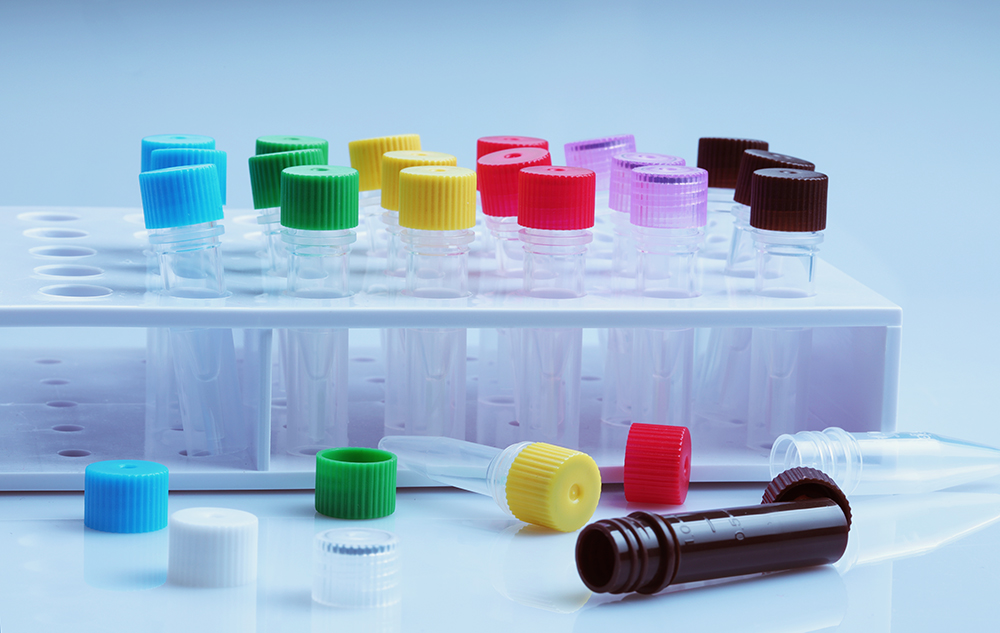
Screw Cap Micro Tubes are the best choice for samples transfer, centrifuge or short and long term storage. Recently, we launch a new generation of Screw Cap Micro Tubes, and here, please let us introduce the difference between the Old Generation and New Generation for you. Let’s make a comparison on the 2.0mL screw cap micro tube, The new one Cat.# WG60016 and the old one Cat.#WG60020.
1.Size
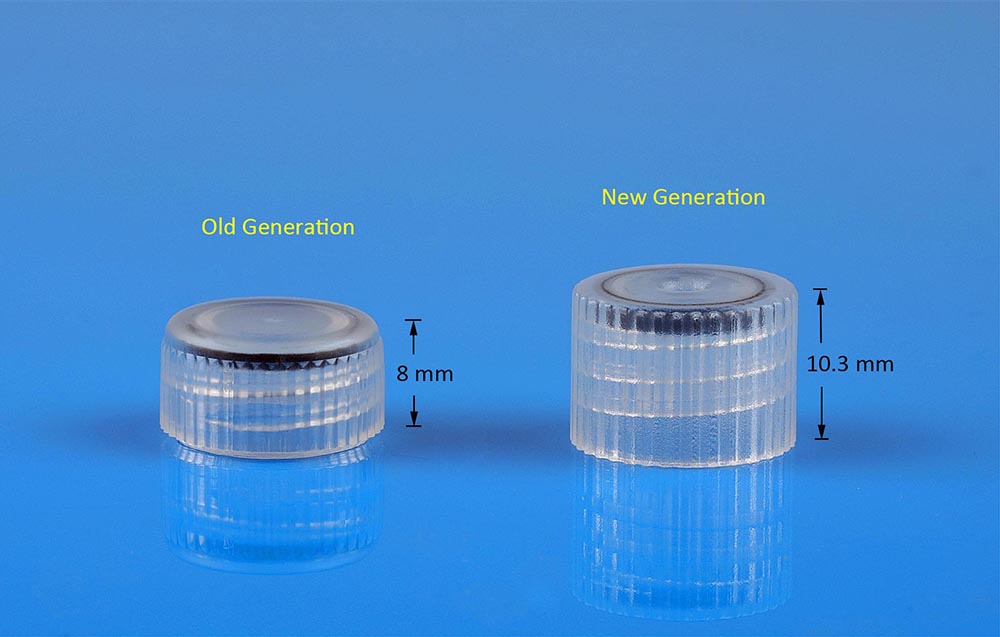
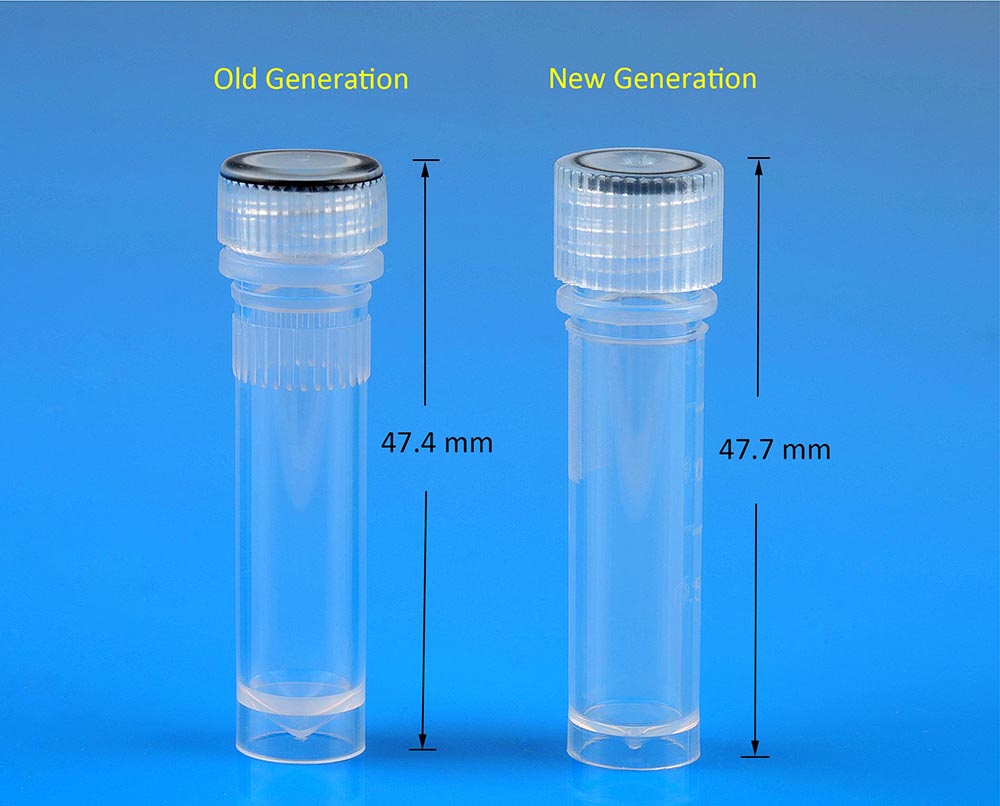
For the length of cap, as shown in the pictures, the New Generation is 10.3mm while the Old one is 8mm. And the total length of New Generation is 47.7mm, while the Old Generation is 47.40mm. According to the test, higher cap would be easier for handling. With small difference in total length, New Generation would be a better choice for you
2. Graduation & Writing area
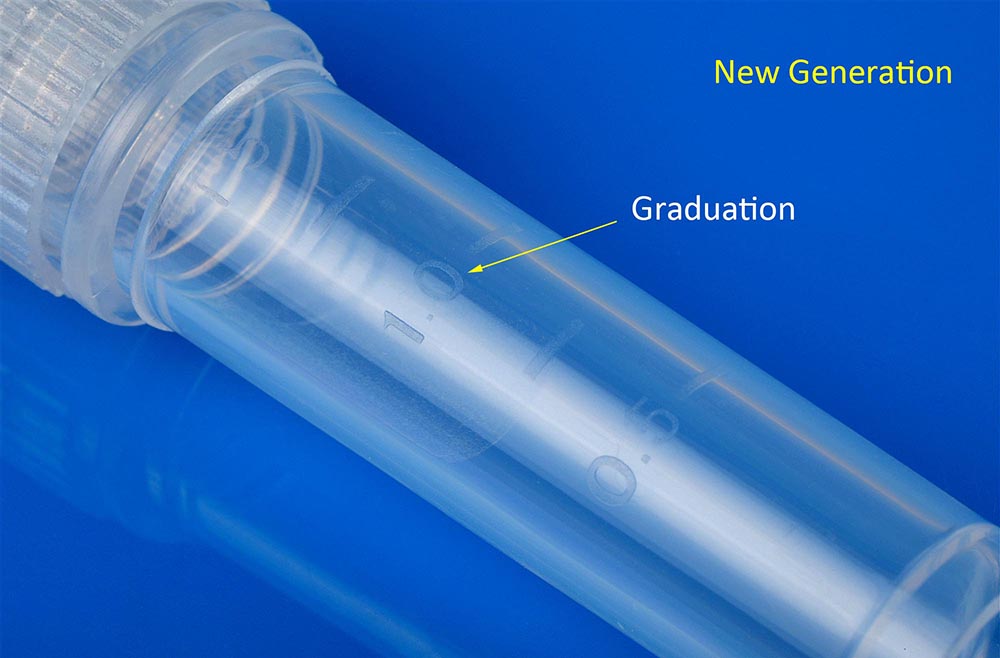
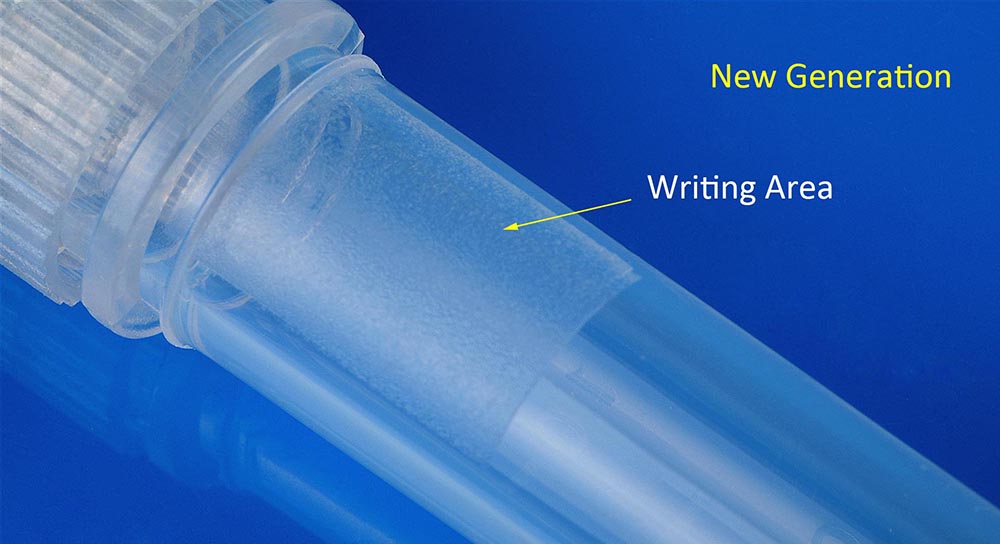
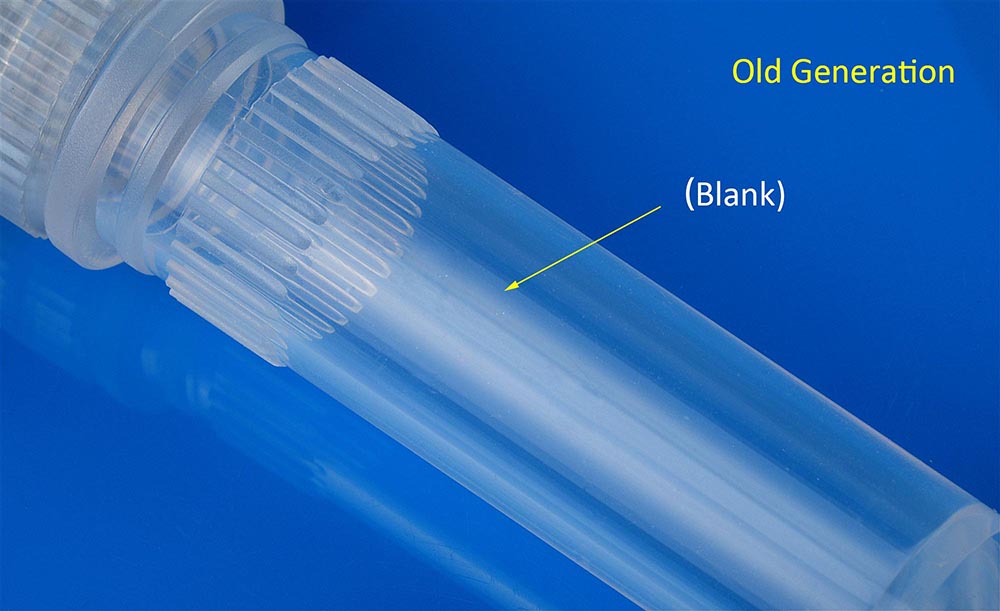
After research, it would be more convenient for some researchers to use the tube with Graduation and Writing area. Therefore, to improve user experience, we add the Graduation and Writing area on the tube in New Generation.
3. Weight
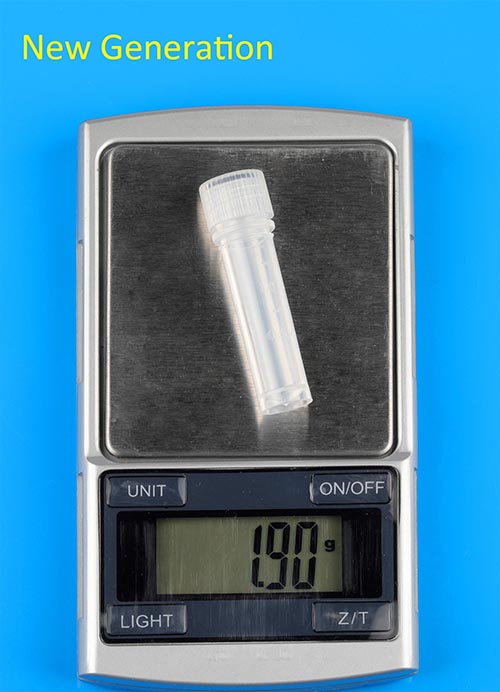
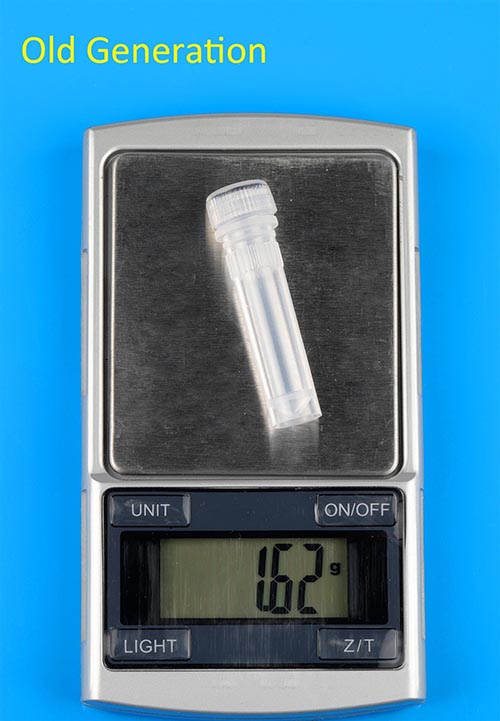
The New Generation is 1.90g in weight, while Old one is just 1.62g.
With more raw material, New Generation would be harder and steadier, so have excellent performance under cryogenic storage.
Recent Posts
The Ultimate Guide to Agarose Gel Electrophoresis
Agarose gel electrophoresis is a standard technique used in molecular biology for the separation, identification, and purification of nucleic acids. Its operational simplicity and broad applicability make proficiency in this method a fundamental prerequisite for [...]

Weighing It Right: A Comprehensive Guide to Accurate Laboratory Weighing
Sample weighing is a critical component of analytical experiments, as inaccuracies can lead to the failure of the entire process. When weighing results are consistently inaccurate, it is essential to perform a thorough analysis [...]
Knowledge Sharing: 9 new technologies for sample preparation
Fast, automated sample preparation improves laboratory efficiency while ensuring data reproducibility by reducing human error and sample loss during transfer. These technologies also support green chemistry initiatives by minimizing solvent waste. While modern analytical [...]