

Screw Cap Micro Tubes are the best choice for samples transfer, centrifuge or short and long term storage. Recently, we launch a new generation of Screw Cap Micro Tubes, and here, please let us introduce the difference between the Old Generation and New Generation for you. Let’s make a comparison on the 2.0mL screw cap micro tube, The new one Cat.# WG60016 and the old one Cat.#WG60020.
1.Size
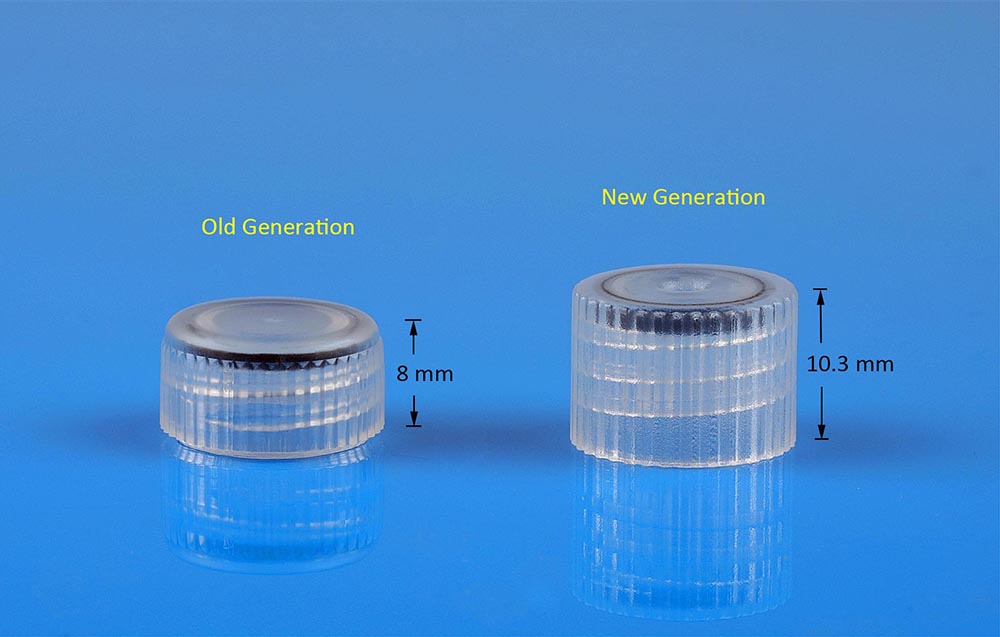
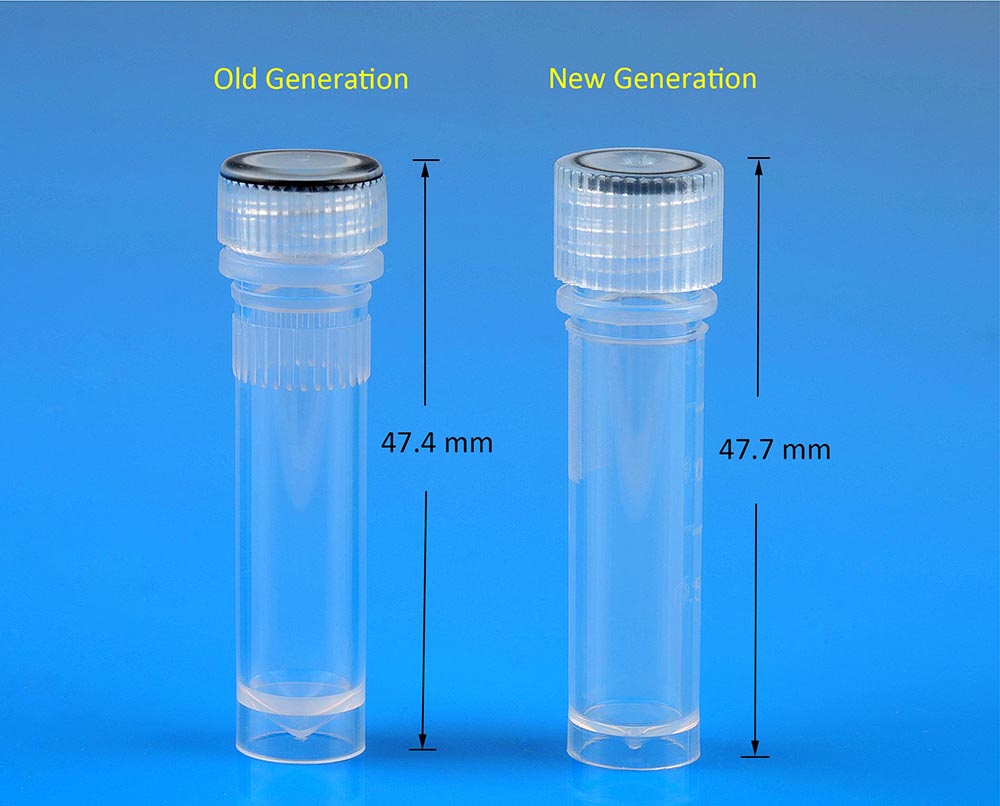
For the length of cap, as shown in the pictures, the New Generation is 10.3mm while the Old one is 8mm. And the total length of New Generation is 47.7mm, while the Old Generation is 47.40mm. According to the test, higher cap would be easier for handling. With small difference in total length, New Generation would be a better choice for you
2. Graduation & Writing area
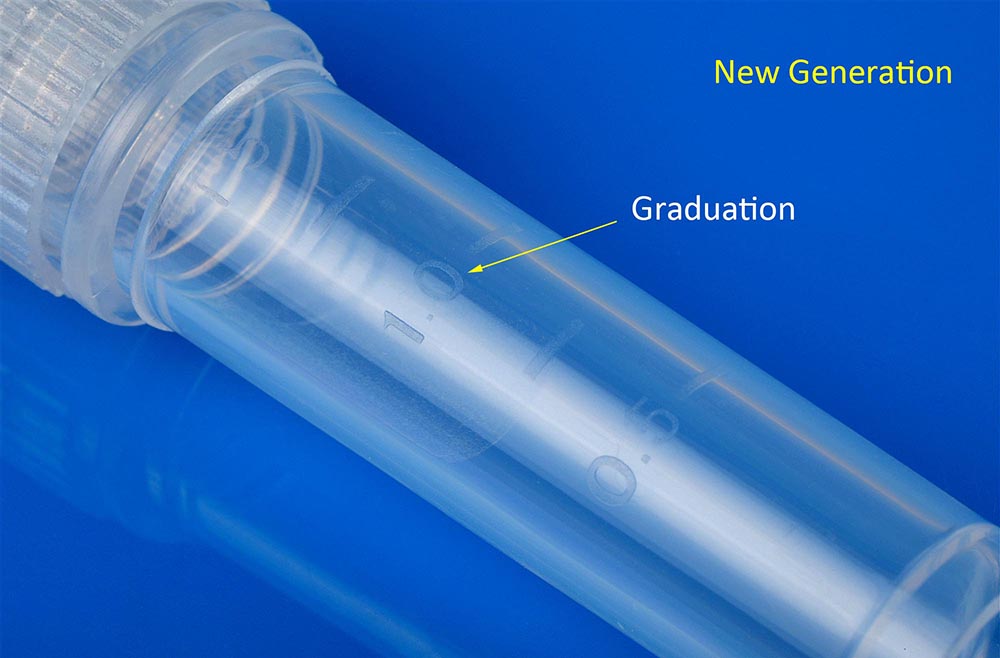
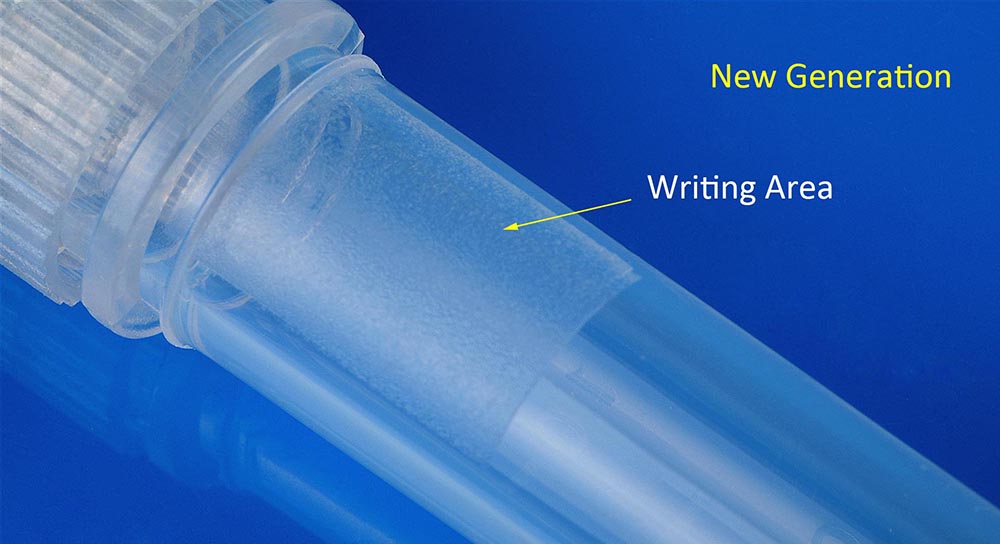
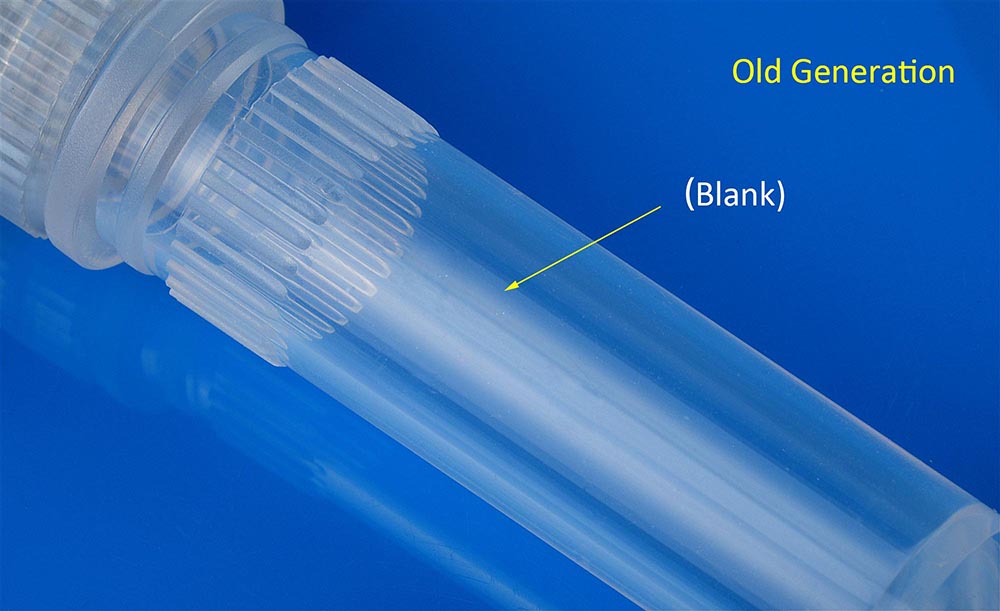
After research, it would be more convenient for some researchers to use the tube with Graduation and Writing area. Therefore, to improve user experience, we add the Graduation and Writing area on the tube in New Generation.
3. Weight
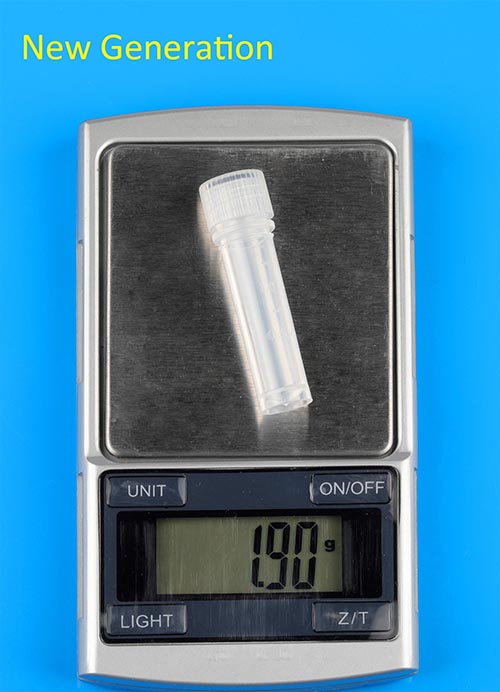
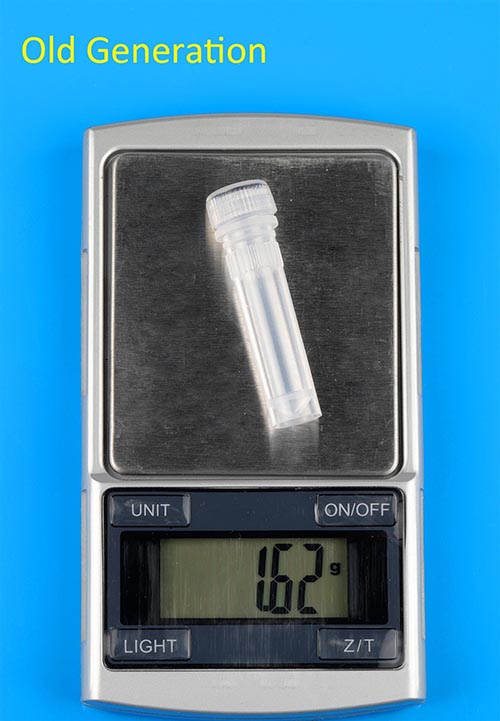
The New Generation is 1.90g in weight, while Old one is just 1.62g.
With more raw material, New Generation would be harder and steadier, so have excellent performance under cryogenic storage.
Recent Posts

Black, White, or Clear? Choosing PCR Plates for Fluorescence
In the high-stakes environment of molecular biology and drug discovery, data integrity is everything. You've meticulously optimized your protocol, calibrated your instrument, and validated your reagents, yet your signal-to-noise ratio remains frustratingly low. Often, the [...]

CRISPR Consumables Guide: The Complete Lab Supply List for gRNA Synthesis, Transfection & Clonal Screening
As of 2025, CRISPR-Cas9 genome editing has transitioned from research tool to clinical application, with FDA-approved therapies such as Casgevy (exagamglogene autotemcel) for sickle cell disease and transfusion-dependent β-thalassemia. This clinical adoption has intensified [...]

Common Techniques for Isolating Microorganisms on Solid Media
In the natural environment, microorganisms are seldom found in isolation; instead, they typically thrive within complex, multi-species consortia across diverse habitats, ranging from soil and aquatic ecosystems to the human gut. For researchers aiming to [...]